
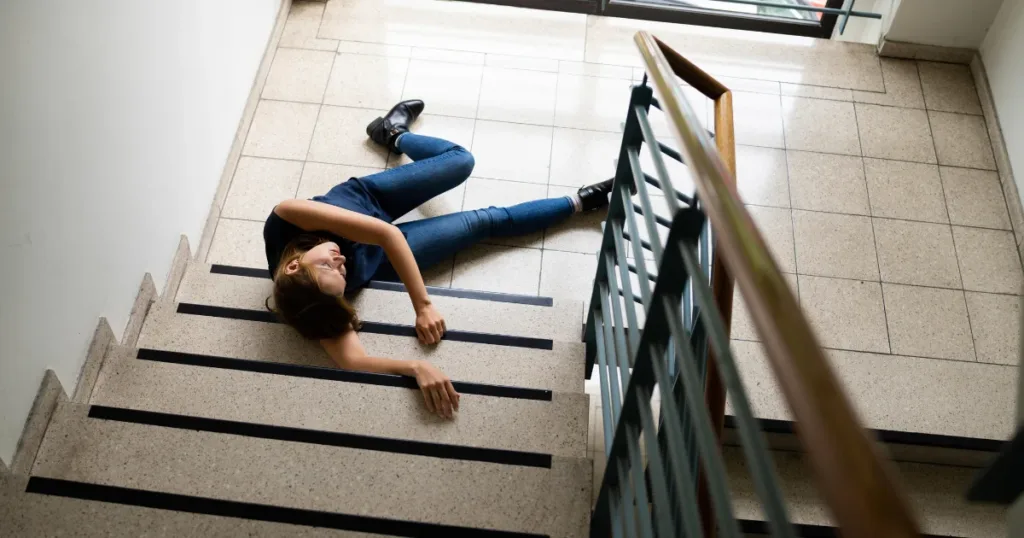
A slip and fall accident can cause serious injuries, medical expenses, lost income, and other financial losses. If the accident occurred because of a dangerous property condition or someone else’s negligence, the person or entity responsible may be legally liable for your damages. Determining liability requires looking at the circumstances that led to the fall.
Who is responsible for a slip and fall accident depends on where it happened, who controlled the property, what caused the fall, and whether the hazard was known or should have been known. Texas law may allow injured individuals to seek compensation for medical expenses, lost wages, pain and suffering, and other damages when the legal requirements are met. If you are looking for a personal injury lawyer Houston, an attorney can help evaluate your situation and explain your legal options.
Premises Liability in Texas
In Texas, a property owner or occupier may be responsible for a slip and fall caused by a dangerous condition when the legal requirements for premises liability are met. The injured person generally must show that the owner knew or reasonably should have known about the hazard and failed to take reasonable steps to address it.
Liability may depend on who owned or controlled the property, what caused the fall, how long the hazard existed, and whether there was an opportunity to fix or warn about it. Photos, surveillance footage, incident reports, maintenance records, and witness statements may help establish the hazard and whether the responsible party had notice.
Certain Texas statutes can also affect premises liability in specific situations. Texas Civil Practice and Remedies Code Chapter 75 addresses limitations on landowner liability for certain recreational activities and may apply to qualifying accidents on recreational property.
Add Button with this text: Free Consultation
Who Can Be Held Responsible for a Slip and Fall Injury?
Responsibility for a slip and fall in Texas depends on the accident’s facts and the legal duty owed to the injured person. A claim may involve a dangerous condition, whether the responsible party knew or should have known about it, and whether reasonable care was taken. The injured person must also connect the dangerous condition to the injury.
Property Owners
A property owner may be responsible when a dangerous condition creates an unreasonable risk of harm and the owner had actual or constructive knowledge of it. For an invitee, Texas law generally requires ordinary care to reduce or eliminate risks the owner knows about or reasonably should know about. Liability depends on the facts and evidence.
Business Owners or Operators
Businesses may face premises liability claims when an invitee is injured by a dangerous condition the business knew or reasonably should have known about. Examples include spills, damaged flooring, or inadequate lighting. Evidence showing when the hazard appeared, employee knowledge, and steps taken to address it may be important.
Landlords and Property Managers
Landlords and property managers are not automatically responsible for every rental-property accident. Liability may depend on who controlled the area, who had the duty to maintain or repair it, the lease terms, and notice of the hazard. Texas law also contains specific landlord-tenant repair duties that may arise after proper notice.
Contractors or Maintenance Companies
A contractor or maintenance company may be responsible when its work creates a dangerous condition or its negligent performance contributes to an injury. Responsibility depends on the work performed, duties assumed, and evidence connecting the work to the accident. Texas courts distinguish premises liability claims from negligent-activity claims.
Texas also recognizes proportionate responsibility in applicable tort cases. Under Texas Civil Practice and Remedies Code Chapter 33, a claimant more than 50% responsible generally cannot recover damages, while a claimant’s percentage of responsibility can reduce the amount recovered.
Common Causes of Slip and Fall Accidents
A slip and fall can happen suddenly and may result in injuries, medical bills, missed work, and other losses. Identifying the hazard that caused the fall is important when determining whether another party may be legally responsible. In Texas, evidence of the dangerous condition can also be important to a premises liability claim.
- Spills, leaks, and recently mopped floors can cause a person to lose traction and fall.
- Cracked sidewalks, loose carpets, broken tiles, and uneven surfaces can create tripping hazards.
- Poor lighting can make steps, obstacles, and other hazards difficult to see.
- Boxes, cords, merchandise, and debris left in walkways can cause trips and falls.
- Loose, broken, or missing handrails can increase the risk of falling on stairs and ramps.
- Broken steps, uneven stair heights, and damaged surfaces can cause a person to lose balance.
What Must Be Proven in a Texas Slip and Fall Claim?
To pursue a slip and fall claim in Texas, an injured person generally must establish that a dangerous condition existed and that the property owner or responsible party had a legal duty regarding that condition. The evidence must connect the hazard to the accident and resulting injuries, and prove negligence when required.
- Duty of Care: The injured person must show the property owner or occupier owed them a legal duty.
- Dangerous Condition: There must have been a condition that posed an unreasonable risk of harm.
- Knowledge of the Hazard: The responsible party generally must have known or reasonably should have known about the condition.
- Failure to Use Reasonable Care: The injured person must show reasonable steps were not taken to fix the hazard or provide an adequate warning.
- Causation: The dangerous condition must have caused the slip and fall and resulting injuries.
- Damages: The claimant must establish losses such as medical expenses, lost income, or other legally recoverable damages.
Evidence That Can Help Your Case
Strong evidence can help show what caused your fall, who may have been responsible, and how the accident affected you. In Texas slip and fall claims, documenting the hazard and your injuries as soon as possible can be especially important. Keep copies of records and avoid losing or altering potential evidence.
- Photos and Videos: Take clear photos or videos of the hazard, surrounding area, lighting, and any visible injuries.
- Surveillance Footage: Security cameras may capture the fall or show how long the dangerous condition existed.
- Witness Statements: Names and contact information of people who saw the accident or knew about the hazard can support your account.
- Incident Reports: Request a copy of any accident or incident report made by the property owner or business.
- Medical Records: Medical records and bills can document your injuries, treatment, and related expenses.
- Maintenance Records: Inspection, cleaning, repair, and maintenance records may help show whether the hazard was known or should have been discovered.
What If You Were Partially Responsible?
Texas uses a modified comparative responsibility rule, which means your own percentage of fault can affect the amount of compensation you recover. If you are partly responsible for a slip and fall, your damages may be reduced by your percentage of responsibility under Texas Civil Practice and Remedies Code Chapter 33.
If you are found to be more than 50% responsible, you generally cannot recover damages under Texas proportionate responsibility rules. Evidence such as photographs, witness statements, surveillance footage, and medical records can help establish how the accident happened and how fault should be allocated in a personal injury lawsuit.
What Compensation May Be Available?
If you have a valid Texas slip and fall claim, you may be able to seek compensation for losses caused by your injuries. Texas law may allow recovery for both financial and non-financial damages in a personal injury claim. Potential compensation may include:
- Medical Expenses: Emergency care, treatment, medication, and rehabilitation costs.
- Lost Income: Wages lost due to your injuries.
- Pain and Suffering: Physical pain, emotional distress, and reduced quality of life.
- Disfigurement: Compensation for permanent scars or physical changes.
- Physical Impairment: Loss of ability to perform normal activities.
- Future Losses: Future medical costs or lost earning capacity.
What Should You Do After a Slip and Fall Accident?
Taking the right steps after a slip and fall can help protect your health and preserve evidence that may be relevant to a potential claim. Seek medical attention for your injuries and document the accident as soon as possible. Avoid making statements that could unnecessarily admit fault before you understand the circumstances.
- Seek Medical Care: Get prompt medical attention and keep records of your diagnosis, treatment, and expenses.
- Report the Accident: Notify the property owner, manager, or responsible party and request an incident report.
- Document the Scene: Take photos or videos of the hazard, surrounding area, and any visible injuries.
- Collect Witness Information: Get the names and contact details of anyone who witnessed the fall or condition.
- Preserve Evidence: Keep your shoes, clothing, photographs, medical records, receipts, and other relevant evidence.
- Avoid Discussing Fault: Be careful about giving statements or posting about the accident on social media.
- Contact a Lawyer: A Houston personal injury lawyer near me can review the circumstances and explain your legal options.
Get Help With Your Slip and Fall Claim
A slip and fall injury may result in medical costs, lost income, pain and suffering, and other damages. The amount you may recover depends on the circumstances of the accident, available evidence, and applicable Texas law, including proportionate responsibility rules.
If you were injured in a slip and fall in Houston or elsewhere in Texas, The Law Office of Michael Bates can review your case and explain your legal options. A Houston personal injury attorney can also discuss your potential claim. Call (832) 346-2311 to discuss your situation.
