
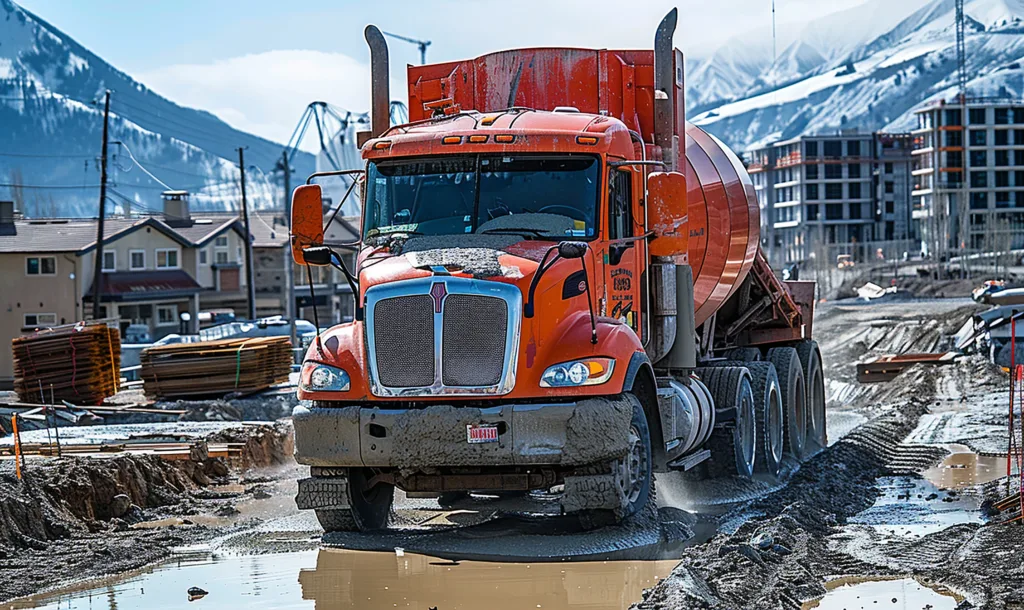
Houston is one of the busiest freight hubs in the country. With the Port of Houston, major distribution centers, and endless traffic on I-10, I-610, and Beltway 8, you share the road with semi-trucks every day. Sometimes you will notice a semi tractor driving without its trailer attached. Many drivers ask what a bobtail truck is, and whether it is any less dangerous than a fully loaded rig. Surprisingly, in some situations, it can be more dangerous.
A bobtail truck is a semi tractor operating without a trailer. Because the truck’s braking and handling systems are designed to work with a heavy trailer, a bobtail tractor can be harder to stop and control. If you were hurt in a crash with one, speaking with a Houston trucking accident attorney can help you understand who is responsible.
What Does “Bobtailing” Mean?
“Bobtailing” refers to driving a semi tractor with no trailer attached. Drivers bobtail in several situations:
- Heading to pick up a load. This often happens after dropping off a trailer.
- Returning to the terminal. Drivers do this at the end of a shift.
- Driving to a repair shop. The truck may be going in for maintenance or inspection.
- Moving between yards. This is common at ports and distribution centers.
Bobtail Vs. Deadheading: What Is The Difference?
These terms are often confused. A bobtail truck has no trailer at all. Deadheading means the tractor is pulling an empty trailer. Both situations change how the truck handles compared to when it is fully loaded.
Why Bobtail Trucks Are Dangerous
A semi tractor is built to haul a heavy trailer, so removing it changes how the truck brakes and handles. These changes can catch both drivers and other motorists off guard.
1. Longer Stopping Distances
Most of a semi’s braking power is designed to work with the weight of a loaded trailer. Without that weight, the rear wheels have less traction. Stopping distances can increase, especially on wet Houston roads.
2. Greater Risk Of Skidding And Jackknifing
With less weight over the drive axles, the rear wheels can lock up during hard braking. This can cause the truck to skid or spin out, especially in sharp turns or on slick roads.
3. Less Stability
An unloaded tractor has a different center of gravity than a loaded rig. This can make it harder to control in strong crosswinds or during sudden lane changes.
4. Driver Behavior
Some drivers feel freer without a trailer and may speed or follow too closely. They may not realize how much longer it takes to stop an unloaded tractor.
Common Bobtail Truck Accidents
- Rear-end collisions. These happen when the truck cannot stop in time.
- Jackknife and spinout crashes. These are more likely on wet or slick roads.
- Intersection crashes. Misjudged stopping distances can lead to collisions.
- Sideswipes. These can happen during lane changes in heavy traffic.
Rear-end crashes are especially common. A Houston rear-end truck accident lawyer can investigate whether the driver was speeding, tailgating, or failed to adjust for an unloaded truck.
Who Is Liable In A Bobtail Truck Accident?
Liability depends on who was in control of the truck and why it was being driven. Possible responsible parties include:
- The truck driver. The driver may be liable for careless or negligent driving.
- The motor carrier. The company may be liable if the driver was working when the crash happened.
- The truck owner. The owner may be responsible if they are different from the carrier.
- A maintenance company. A repair shop may be liable if brake problems contributed to the crash.
Insurance coverage can become complicated in bobtail crashes. Some owner-operators carry “bobtail” or “non-trucking liability” insurance, which may apply only when the driver is not working for a carrier. Insurers often argue over which policy should pay, so working with an experienced truck accident lawyer Houston Texas families rely on is important to make sure no source of coverage is overlooked.
How To Stay Safe Around Bobtail Trucks
You cannot control how a truck driver behaves, but you can lower your risk. Avoid cutting in front of any semi, with or without a trailer, because it still needs far more room to stop than a passenger car. Stay out of the truck’s blind spots, especially directly behind the cab and along the right side. Give extra space in rain, near port and warehouse areas where bobtail trucks are common, and at intersections where a tractor may turn wide or brake suddenly.
What To Do After A Bobtail Truck Crash
- Call 911. Seek medical care right away.
- Photograph the truck. Include company names and DOT numbers on the doors.
- Collect witness information. Get names and phone numbers of anyone who saw the crash.
- Avoid recorded statements. Do not give one to trucking insurers before speaking with a lawyer.
- Contact a lawyer quickly. An attorney can help preserve driver logs and black box data.
Get Legal Help After A Truck Accident
Bobtail truck accidents raise complex questions about insurance and liability. The Law Office of Michael Bates investigates every angle to find all responsible parties and maximize your recovery. If you need a semi truck accident attorney Houston residents trust, contact us today for a free consultation.
Frequently Asked Questions
Why Is It Called A Bobtail?
The term is believed to come from horses and dogs with short, “bobbed” tails, describing a truck that looks cut off without its trailer.
Is Bobtailing Illegal?
No. It is a normal part of trucking, but drivers must still operate safely and follow federal and Texas traffic laws.
Does Texas Comparative Fault Apply In Truck Accidents?
Yes. Under Texas Civil Practice and Remedies Code §33.001, you can recover damages as long as you are not more than 50 percent at fault.
