
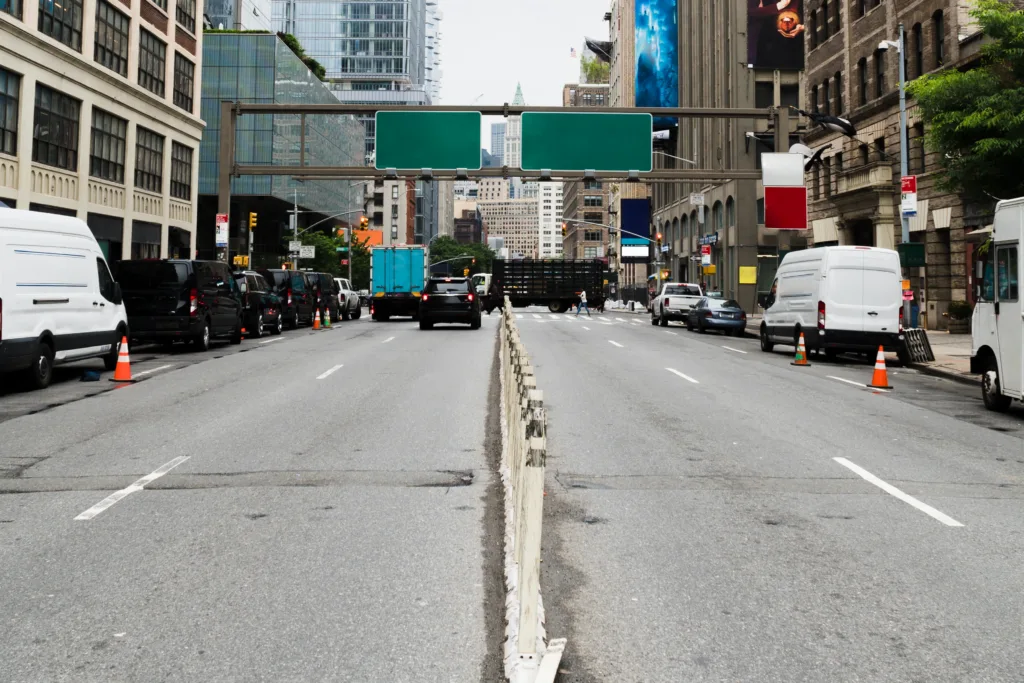
Sitting in bumper-to-bumper traffic on I-45 or the Southwest Freeway in the Texas heat is tough in a car. On a motorcycle, it can feel unbearable. It is no surprise that many riders are tempted to ride between lanes of slow or stopped cars. But is lane splitting legal in Texas? The answer is no. Texas does not allow motorcyclists to ride between lanes of traffic, and doing so can lead to a ticket and can hurt your claim if you are injured in a crash.
Understanding the rules helps riders stay safe and protect their legal rights. If you were injured while riding, a personal injury lawyer Houston riders trust can explain how these laws apply to your case.
What Is Lane Splitting?
Lane splitting means riding a motorcycle between two lanes of traffic moving in the same direction, usually along the lane line. A related practice, called lane filtering, involves moving between stopped vehicles, often to reach the front at a red light. Some riders also use the shoulder to pass traffic, which is a separate violation.
What Does Texas Law Say?
Texas does not have a law that specifically permits lane splitting. Instead, riders are bound by general traffic rules. Texas Transportation Code §545.060 requires drivers to stay entirely within a single lane when practical and to move from a lane only when it is safe. Lane splitting violates this rule. Lawmakers have proposed allowing limited lane filtering in the past, but as of 2026, neither lane splitting nor lane filtering has been legalized in Texas.
Where Is Lane Splitting Legal?
California is the only state that fully allows lane splitting. A small number of other states, such as Utah, Montana, Arizona, and Colorado, allow limited lane filtering under specific conditions. Texas is not one of them, so riders traveling from other states should not assume the same rules apply here.
Penalties for Lane Splitting in Texas
- Traffic citation: possible for unsafe lane changes or failing to stay in a single lane.
- Fines and court costs: added to any citation you receive.
- Points on your driving record: these can raise your insurance rates.
- Reckless driving charges: possible in more serious situations.
How Lane Splitting Affects a Motorcycle Accident Claim
Texas follows a modified comparative fault rule under Civil Practice and Remedies Code §33.001. If you are found more than 50 percent at fault, you cannot recover damages. If you are 50 percent or less at fault, your recovery is reduced by your percentage of fault.
Insurance companies often blame motorcyclists for crashes. If a rider was lane splitting, the insurer will likely argue the rider caused or contributed to the crash. However, lane splitting does not automatically mean you are entirely at fault. A driver who suddenly changed lanes without signaling or was distracted by a phone may still bear most of the responsibility. A Houston Lane Change Motorcycle Accident Lawyer can investigate exactly how the crash happened.
Common Motorcycle Crashes in Heavy Traffic
Heavy traffic puts riders at greater risk because drivers are often distracted or rushed. These are the most common crashes in stop-and-go conditions.
1. Rear-End Collisions
Riders stopped in traffic are vulnerable to being struck from behind by distracted drivers. Avoiding these crashes is one reason riders want lane filtering laws. If this happened to you, a rear-end motorcycle accident lawyer Houston can help you pursue the at-fault driver.
2. Unsafe Lane Changes
Drivers often fail to check blind spots before merging and cut off motorcycles. Because a motorcycle is narrow and easy to miss, even a brief lapse can force a rider to brake hard or swerve.
3. Left-Turn Crashes
Vehicles turning left at intersections frequently misjudge a motorcycle’s speed. Drivers may pull into the rider’s path, leaving little room to stop or avoid impact. These crashes often cause serious injuries.
4. Dooring
Riders near parked cars can be struck when drivers open doors without looking. A sudden open door leaves little time to react and often causes a fall or collision. Even low-speed falls can cause broken bones.
What to Do After a Motorcycle Crash
Get medical care right away, even if you feel fine, because adrenaline can hide serious injuries. Report the crash to the police. Photograph your bike, the other vehicle, and the road, and get contact information from any witnesses. Avoid admitting fault or discussing your lane position with the other driver’s insurer until you have legal advice.
Safety Tips for Texas Riders
- Stay within your lane: use your lane position to stay visible to other drivers.
- Wear high-visibility gear: pair it with a DOT-approved helmet.
- Keep a safe following distance: leave extra room so you have time to react and stop.
- Watch for drivers on phones: be especially alert in stop-and-go traffic.
- Plan your routes: avoid the heaviest congestion when possible.
Get Legal Help After a Motorcycle Accident
Motorcycle riders often face bias from insurance companies, even when a careless driver caused the crash. The Law Office of Michael Bates fights to protect riders’ rights and secure fair compensation. We review the police report, the insurance policies involved, and the medical evidence to build a strong case on your behalf. If you need a Houston personal injury attorney who understands motorcycle claims, contact us today for a free consultation.
Frequently Asked Questions
Can Motorcycles Ride on the Shoulder in Texas?
Generally no. Driving on the shoulder is only allowed in limited situations, such as to stop or avoid a collision. Using it to pass traffic is a separate violation and can lead to a ticket.
Can Two Motorcycles Ride Side by Side in One Lane?
Yes. Texas allows two motorcycles to ride side by side in a single lane, but not more than two. Riders should still leave enough space between bikes to react safely.
Do I Have to Wear a Helmet in Texas?
Yes, with exceptions. Riders 21 and older can ride without a helmet if they have completed a safety course or carry qualifying health insurance. Riders under 21 must always wear one.
