
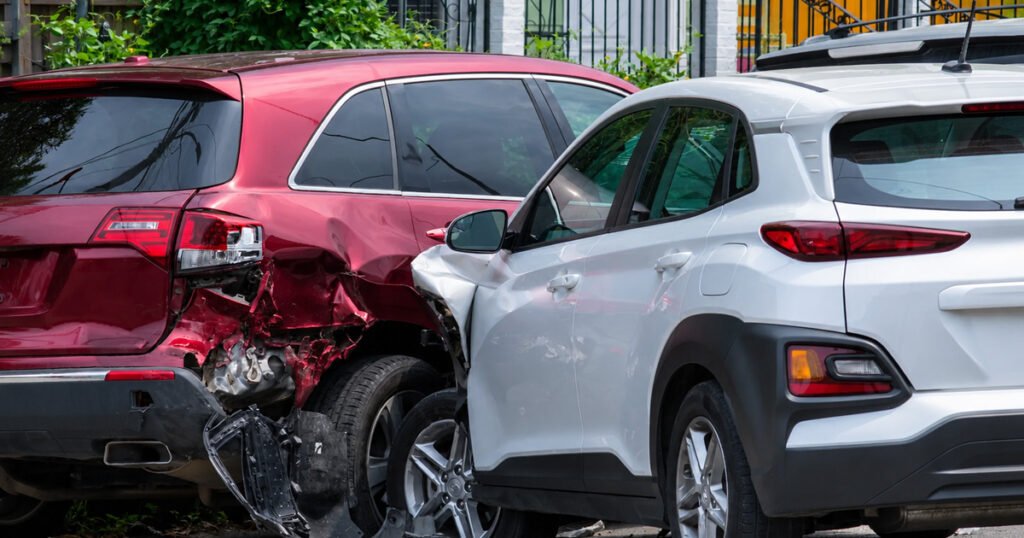
T-Bone accident in Texas are serious side-impact collisions that often happen at intersections and can cause severe injuries and major vehicle damage. Because these crashes involve right-of-way disputes, determining fault is often complicated.
In Texas, fault affects insurance claims and compensation, and more than one driver may share responsibility under comparative negligence laws. Working with an experienced car accident lawyer Houston can help victims determine liability and protect their legal rights after a serious crash.
What is “T-Bone” in a Car Accident?
A T-bone accident, also called a side-impact collision, happens when the front of one vehicle crashes into the side of another, forming a “T” shape. These crashes commonly occur at intersections, parking lots, and during turns, and they often cause serious injuries because the sides of vehicles offer less protection. Common causes of T-bone accidents include:
- Drivers running red lights or failing to stop at stop signs
- Failure to yield the right of way at intersections or turns
- Distracted driving, including texting or using a phone while driving
- Speeding through intersections or ignoring traffic signals
- Unsafe turns, lane changes, or improper merging into traffic
In many cases, fault depends on which driver violated traffic laws or acted negligently before the collision occurred.
Who Can Cause a T-Bone Accident?
Fault in a T-bone accident is not always clear because multiple drivers may contribute to the crash. Texas law looks at traffic signals, right-of-way rules, driver behavior, and other evidence to determine liability. In many cases, the driver who violated traffic laws or failed to drive safely is considered responsible for the collision.
Intersections
Most T-bone accidents happen at intersections when a driver runs a red light, ignores a stop sign, or fails to yield the right of way. However, even a driver with the right of way may share fault if they were distracted, speeding, or driving recklessly.
Parking Lots
Side-impact crashes can also happen when drivers exit parking lots, garages, or private driveways without checking for oncoming traffic. Drivers entering a roadway usually have a duty to yield before pulling into traffic.
U-Turn Accidents
Unsafe or illegal U-turns are another common cause of T-bone collisions. A driver may be at fault if they attempt a U-turn without enough space or fail to yield to approaching vehicles.
Can You Be at Fault Even With the Right of Way?
Having the right of way does not automatically protect you from being found partially at fault in a T-bone accident in Texas. Under Texas Civil Practice & Remedies Code § 33.001, the state follows a modified comparative negligence system, meaning compensation can be reduced based on each driver’s share of responsibility. Even drivers with the right of way may still share fault if their actions contributed to the collision in any way.
- Speeding through intersections or driving too fast for road conditions, which reduces reaction time and can make it harder to avoid a crash even when another driver violates traffic rules
- Driving while distracted, such as texting, using a phone, or failing to pay attention to surrounding traffic signals and vehicles entering the intersection
- Failing to brake or take reasonable evasive action when a hazard becomes visible, which may be seen as contributing to the severity or occurrence of the crash
- Driving under the influence of alcohol or drugs, which impairs judgment and reaction time, even if the driver technically had the right of way
- Ignoring surrounding traffic conditions or failing to remain alert at intersections, even when legally permitted to proceed through the roadway
Because of these factors, insurance companies carefully evaluate both drivers’ actions before assigning fault, making T-bone accident claims more complex than they may initially appear.
How Do Lawyers Establish Fault?
Fault in a T-bone accident is determined through a detailed review of evidence that helps reconstruct how the crash occurred. A Houston personal injury attorney or insurance company evaluates multiple forms of proof to identify negligence and traffic law violations that led to the collision. Key evidence used includes:
- Police accident reports that document officer observations, traffic violations, road conditions, and initial fault assessments at the scene of the crash.
- Witness statements from individuals who saw the accident happen, helping confirm signal violations, speed, or right-of-way issues.
- Traffic camera or surveillance footage that can clearly show the sequence of events leading up to the collision.
- Vehicle damage patterns help indicate the angle, speed, and point of impact between the two vehicles.
- Accident reconstruction analysis is conducted by experts who recreate the crash using physics, timing, and roadway evidence.
- Skid marks, tire impressions, and roadway debris help determine braking behavior and vehicle movement before impact.
- Cell phone records in distracted driving cases may show whether a driver was texting or using their phone at the time of the crash.
In more complex cases, reconstruction experts analyze speed, braking distance, and impact angles to build a clearer picture of how the accident happened. This evidence is critical because insurance companies often try to shift blame between drivers to reduce payout amounts.
When to Contact a Lawyer
T-bone accident cases often turn into disputes over fault, and insurance companies may try to reduce compensation by shifting blame. Contacting a lawyer early helps protect your rights and preserve key evidence. An attorney can help by:
- Obtaining police reports and accident evidence
- Determining fault and reviewing traffic violations
- Handling insurance negotiations
- Calculating medical bills, lost wages, and damages
- Filing claims within Texas deadlines
Since evidence can disappear quickly after a crash, getting legal help as soon as possible can significantly improve your case outcome.
Discuss Your Accident Claim With an Attorney
Determining fault in a T-bone accident in Texas depends on traffic laws, driver actions, right-of-way rules, and available evidence. While one driver is often primarily responsible, Texas comparative negligence laws may allow fault to be shared depending on the circumstances.
Because these cases often involve serious injuries, insurance disputes, and complex liability issues, having strong legal support can make a major difference in the outcome. If you or a loved one has been injured in a T-bone accident, contact The Law Office of Michael Bates to discuss your case and understand your legal options.
Key Takeaways
- Fault in a T-bone accident in Texas depends on right-of-way rules, traffic violations, and driver negligence.
- These crashes often occur at intersections, parking lots, or during unsafe turns and lane changes.
- Running red lights, failing to yield, speeding, and distracted driving are common causes of T-bone collisions.
- Under Texas Civil Practice & Remedies Code § 33.001, fault can be shared under the modified comparative negligence rule.
- Even drivers with the right of way may be partially at fault if they were speeding, distracted, or impaired.
- Evidence such as police reports, witness statements, and camera footage is used to determine liability.
- Insurance companies and attorneys carefully analyze all evidence to establish fault and damages.