
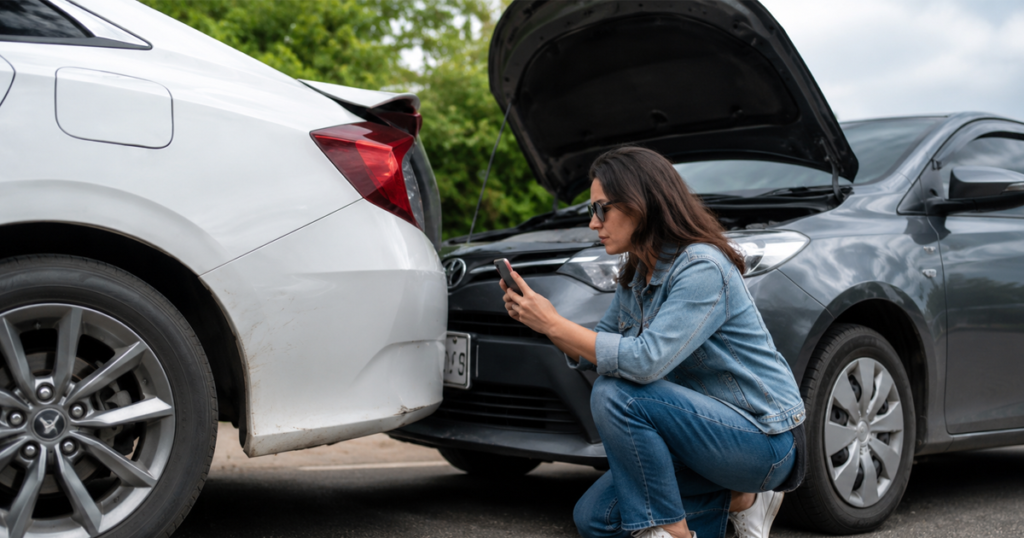
Getting into a car accident can be stressful, especially when injuries, vehicle damage, and insurance pressure follow. Many drivers are unsure who is legally responsible after a crash. Understanding who is at fault in a rear-end collision is important because it affects compensation, insurance liability, and legal rights.
While rear-end crashes may seem simple, fault often depends on driver actions, road conditions, and available evidence. Understanding how Texas law applies can help protect your claim and avoid costly mistakes. Consulting a Houston car accident lawyer can also help you better understand your legal options after a crash.
What Causes a Rear-End Collision?
Rear-end collisions usually happen when a driver cannot stop in time due to reduced attention, unsafe following distance, or traffic changes. These crashes often occur in stop-and-go traffic where quick reactions are required.
- Distracted Driving: Drivers who use phones, eat, or adjust controls lose focus on the road. Even brief distractions can delay reaction time and lead to a crash.
- Tailgating (Following Too Closely): When a driver follows too closely, there is not enough stopping distance if traffic suddenly slows. This is one of the leading causes of rear-end collisions.
- Speeding: Higher speeds increase stopping distance and reduce reaction time. Even a short delay in braking can result in impact.
- Sudden Stops by the Lead Vehicle: Abrupt braking without warning can contribute to collisions, especially in heavy traffic. These situations often require investigation to determine liability.
- Poor Weather or Road Conditions: Rain, fog, or slippery roads reduce traction and visibility, making it harder to stop safely in time.
How Fault Is Determined in a Rear-End Accident
Fault is determined by evaluating whether a driver acted negligently and failed to follow Texas traffic laws requiring safe driving behavior. Insurance companies, police, and courts review evidence such as speed, following distance, and road conditions under Texas negligence principles.
1. Duty of Care and Negligence Basics: Every driver has a legal duty to operate their vehicle safely. If a driver fails to act reasonably and causes a crash, they may be held negligent and financially responsible for damages.
2. Following Distance Requirement (Texas Transportation Code § 545.062): Texas law requires drivers to maintain an “assured clear distance” so they can stop safely without colliding with another vehicle. Failing to maintain this distance is one of the most common reasons for rear-end liability.
3. Comparative Negligence Rule (Texas Civil Practice & Remedies Code § 33.001): Texas follows a modified comparative negligence system. Fault can be shared between drivers, but a person cannot recover damages if they are 51% or more responsible for the accident.
Is the Rear Driver Always at Fault?
In most rear-end collisions, the rear driver is presumed to be at fault because they are responsible for maintaining control, speed, and safe distance. If they fail to stop in time, it is usually considered negligence.
However, this presumption is not absolute. It can be challenged if evidence shows the front driver acted in a way that contributed to the crash, such as stopping suddenly without reason or driving unsafely.
When the Front Driver May Be at Fault
Although the rear driver is usually presumed responsible, there are situations where the front driver may share or carry full fault if their actions were unsafe or unexpected. Liability depends heavily on the specific facts of the crash and whether the lead driver contributed to creating a hazardous situation.
1. Sudden or Illegal Braking
A front driver may be at fault if they slam on the brakes without a valid reason or intentionally brake-check another vehicle. This is considered dangerous driving and can shift liability, especially in road rage situations.
2. Broken Brake Lights or Signaling Issues
If brake lights are not working, the trailing driver may not get proper warning of slowing or stopping. This can contribute to a crash and may result in shared liability due to unsafe vehicle maintenance.
3. Unsafe Lane Changes or Reversing
A driver who cuts off another vehicle or reverses unexpectedly into traffic may be responsible for a collision. These actions reduce reaction time and are often considered negligent.
4. Stopping Suddenly Without Reason
Abrupt stops without a valid reason can contribute to rear-end collisions. While drivers must stay alert, creating an unnecessary hazard can lead to partial or full liability.
How to Prove Fault
Proving fault in a rear-end collision depends on clear evidence showing how the accident happened and which driver acted negligently. Insurance companies, attorneys, and courts use this information to reconstruct the crash and determine liability under Texas law, making evidence a key factor in any claim.
1. The Police Report
A police report is an official record of the accident, including officer observations, driver statements, and witness details. It may also include a preliminary assessment of how the crash occurred. While not always final, it carries strong weight in determining fault.
2. Photographic and Video Evidence
Photos and videos show what happened at the scene, including vehicle positions, road conditions, and damage. Dashcam or surveillance footage can capture the exact moment of impact. This helps reduce disputes and clarify responsibility.
3. Witness Statements
Witness statements provide independent accounts from people who saw the accident happen. These neutral perspectives can support or challenge the drivers’ versions of events. When multiple witnesses agree, they can strongly support a claim of fault.
4. Your Own Detailed Account
Your personal account helps establish a timeline of the accident and explains how events unfolded from your perspective. Recording details like traffic flow, speed, and driver behavior soon after the crash improves accuracy. This statement is often used with other evidence to build a strong case.
5. Medical Records
Medical records connect the accident directly to your injuries by documenting diagnosis, treatment, and recovery. They help prove the severity of harm caused by the collision and are essential for calculating compensation. Without them, it becomes harder to establish the full extent of damages.
6. Expert Witnesses
Expert witnesses analyze accident details like vehicle damage, speed, and impact to explain how the crash likely happened. Their professional opinion helps clarify disputed facts and supports a stronger determination of fault in complex cases.
Also Read: What to Do After a Car Accident in Texas
Possible Penalties and Legal Consequences
Rear-end collisions can lead to legal and financial penalties for the at-fault driver depending on the severity of the crash. These penalties help enforce safe driving and compensate injured parties.
- Traffic Tickets and Fines: Drivers may receive citations for violations like following too closely or speeding, with fines varying by severity.
- Points on Driving Record: Violations can add points to a license, potentially leading to suspension over time.
- Insurance Rate Increases: At-fault accidents often result in higher insurance premiums and long-term costs.
- Civil Liability for Damages: Under Texas negligence law, the driver may be responsible for medical bills, repairs, and other losses.
How a Car Accident Lawyer Can Help
A Houston personal injury attorney helps protect your rights after a rear-end collision and ensures you pursue fair compensation.
- Proving Liability: Collects evidence to establish fault in disputed cases.
- Insurance Negotiation: Handles insurers and fights for a fair settlement.
- Maximizing Compensation: Calculates full damages including medical costs and lost wages.
- Filing a Claim or Lawsuit: Takes legal action if a fair settlement is not offered.
Also Read: How to Maximize a Car Accident Insurance Claim in Texas
Get the Legal Strength You Deserve
Getting into a crash can leave you dealing with medical bills, insurance pressure, and uncertainty about what comes next. Understanding Who Is at Fault in a Rear-End Collision? is only the first step, but having the right legal guidance can make a major difference in protecting your rights and securing fair compensation.
If you are unsure about liability or facing pushback from an insurance company, getting legal help early can strengthen your case and help avoid costly mistakes. The Law Office of Michael Bates is committed to helping accident victims navigate the claims process, prove fault, and pursue the compensation they deserve.