
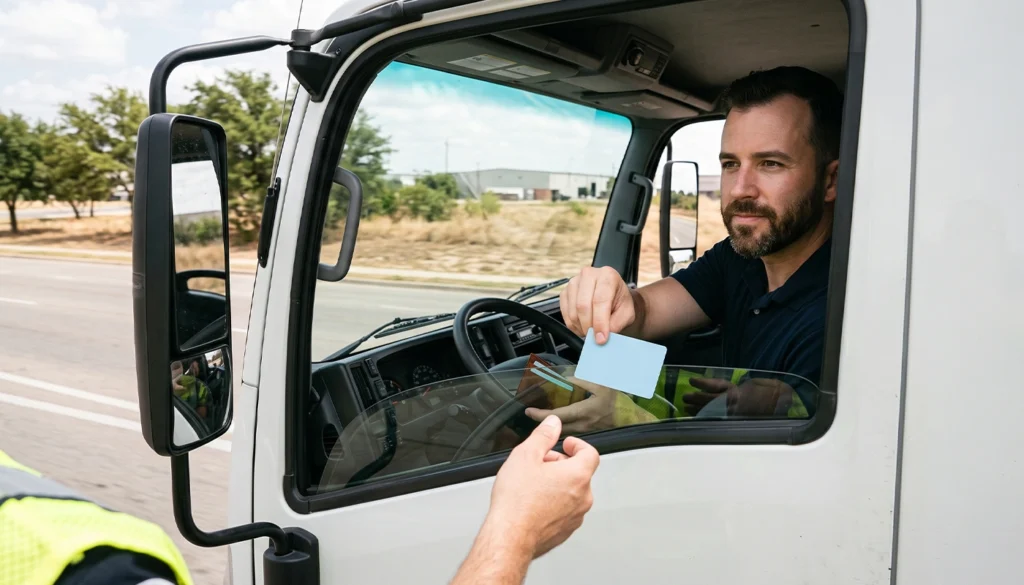
If you are asking, do you need a CDL to drive a box truck, the answer in Texas usually depends on the vehicle’s weight rating, whether it is a single vehicle or combination, and what it transports. A box truck with a GVWR below 26,001 pounds generally does not require a CDL solely because it is used for deliveries. A single box truck with a GVWR of 26,001 pounds or more generally requires a Class B CDL. Rules may apply to hazardous materials and certain exempt vehicles in some circumstances.
For Houston delivery drivers, employers, and trucking companies, the vehicle’s certification label and configuration matter more than the term “box truck.” Texas DPS uses GVWR and GCWR to determine license class. A truck accident lawyer Houston Texas can also help explain how licensing issues may affect a collision claim when a driver, employer, or carrier allegedly used an improperly licensed driver. Understanding these requirements can also help businesses review hiring, vehicle-assignment, training, and compliance questions before a crash or dispute occurs, particularly when several parties may share responsibility.
What Weight Requires a CDL for a Box Truck in Texas?
For a typical single box truck, the key threshold is 26,001 pounds GVWR. Texas Transportation Code §522.041 provides that a Class B CDL covers a single vehicle with a GVWR of 26,001 pounds or more. If the box truck is below that threshold and does not fall into another CDL category, a CDL generally is not required merely because the truck is used commercially.
What Is GVWR?
GVWR means gross vehicle weight rating. It is the manufacturer-specified loaded weight rating for a single vehicle. It is not simply the truck’s current scale weight. Texas DPS states that license class is determined in part by the vehicle operated and its GVWR or the GCWR of vehicles being towed. Check the manufacturer’s certification label before deciding whether a box truck requires a CDL. If the rating cannot be determined, Texas DPS guidance explains that actual gross weight may be used for CDL applicability in the circumstances described by its CDL materials.
When Does a Box Truck Need a Class B CDL?
A single box truck with a GVWR of 26,001 pounds or more generally requires a Class B CDL in Texas. Class B covers heavy single vehicles and certain heavy vehicles towing a smaller trailer. This is common for larger delivery trucks, straight trucks, and other heavy box-style vehicles that do not meet the Class A combination-vehicle definition.
Can a Box Truck Require a Class A CDL?
A box truck can be part of a combination that requires a Class A CDL. Texas defines Class A around a combination with a GCWR of 26,001 pounds or more when the GVWR of the towed vehicle exceeds 10,000 pounds. This can matter when a delivery truck or other power unit pulls a sufficiently heavy trailer.
Does Cargo Affect Whether a Box Truck Driver Needs a CDL?
Cargo can matter in addition to vehicle weight. A vehicle that does not otherwise fall within the Class A or B categories may require a Class C CDL when it transports hazardous materials in quantities requiring placarding under federal hazardous-material rules. The type of cargo therefore can change the licensing analysis.
Are There CDL Exemptions in Texas?
Yes. Texas DPS lists specific CDL exemptions, including certain military vehicles, qualifying farm trucks or trailers used within 150 miles of the farm, firefighting or emergency vehicles, recreational vehicles driven for personal use, certain airport-only air-carrier vehicles, and specified agricultural vehicles.
An exemption does not necessarily mean the driver needs no special license. Texas DPS explains that some drivers of CDL-exempt vehicles may still need a Class A or Class B non-commercial license. The exemption must fit the exact vehicle and use; employers should not assume that a commercial box truck qualifies simply because it is used for a particular industry.
What Are the Federal CDL Rules for Box Trucks?
Federal CDL standards generally use the same major weight thresholds: 26,001 pounds for heavy single vehicles and qualifying combinations, with additional rules for towed units, passengers, and hazardous materials. FMCSA standards can apply to interstate commercial motor vehicle operations, while Texas separately regulates state licensing.
H2: What Happens If a Driver Operates a Box Truck Without the Required CDL?
Driving a vehicle without the required license can create regulatory and practical problems for the driver and employer. It can also become relevant after a crash if licensing, training, supervision, or company compliance is disputed. However, an alleged CDL violation does not automatically prove that a driver caused an accident or establish civil liability. In a Houston truck collision, investigators may examine the driver’s license class, vehicle weight rating, employer records, delivery duties, maintenance, roadway evidence, and other facts. If the crash caused injuries, these details may become part of the evidence used to evaluate fault and damages.
Read Related: What to Do After a Truck Accident in Texas
How Can CDL Status Affect a Texas Truck Accident Claim?
A CDL issue may be one piece of a larger negligence investigation. A person bringing a personal injury claim generally must establish the legal elements required for the claim, including causation and compensable harm. A licensing violation may be relevant evidence, but its legal effect depends on the facts and applicable law.
If a collision involves a commercial box truck, a truck accident lawyer near me can help identify questions about the driver’s license, vehicle classification, employer responsibilities, insurance coverage, and available evidence. The existence of a CDL violation does not by itself guarantee compensation.
What Should Houston Box Truck Employers and Drivers Check?
Before putting a box truck on the road, drivers and employers can use this checklist:
- Read the vehicle certification label and record the GVWR.
- Determine whether the vehicle is operated alone or with a trailer.
- If towing, review the applicable GCWR and trailer GVWR.
- Identify whether the cargo is hazardous material requiring placarding.
- Check for a qualifying Texas CDL exemption, if one is claimed.
- Confirm the driver holds the correct license class and required endorsements.
- Review whether federal requirements apply based on the operation.
- Keep records supporting the vehicle, driver, and operating requirements.
When Should You Contact a Truck Accident Lawyer?
Legal guidance may be appropriate when a box truck crash causes significant injury, the driver may have lacked the required license, fault is disputed, multiple companies are involved, or an insurer questions or undervalues the claim. Truck accident cases can involve evidence from the driver, employer, vehicle owner, cargo loader, maintenance provider, and accident scene, making the investigation more complex than a typical passenger-vehicle collision.
If you are dealing with serious injuries, ongoing medical treatment, lost income, or questions about who may be responsible, speaking with a Houston personal injury lawyer near me can help you understand your legal options. An attorney can review available records, insurance communications, crash evidence, and the circumstances surrounding the box truck’s operation. The appropriate legal strategy depends on the facts of the collision, the parties involved, and the evidence available.
Read Related: When to Consult a Lawyer for a Truck Accident
What Should You Do After a Box Truck Accident in Houston?
After a collision, prioritize safety and medical care, then preserve information that may become important later. A prompt, organized record can help connect the crash to injuries and losses while preserving evidence that may otherwise disappear.
- Seek medical attention for injuries or symptoms and follow recommended care.
- Report the collision to the appropriate law enforcement agency when required.
- Photograph vehicles, visible injuries, roadway conditions, signs, and property damage when safe.
- Collect witness and insurance information without arguing about fault.
- Preserve medical records, bills, employment records, photographs, videos, and crash communications.
- Avoid guessing about responsibility when giving factual statements to insurers or investigators.
- Consider legal guidance if injuries are serious or the claim becomes disputed.
Know Your CDL Requirements Before You Drive
So, do you need a CDL to drive a box truck? Not necessarily. In Texas, a typical single box truck with a GVWR under 26,001 pounds generally does not require a CDL solely because it is used for commercial deliveries. A single vehicle with a GVWR of 26,001 pounds or more generally requires a Class B CDL, while a qualifying combination of vehicles may require a Class A CDL. The type of cargo, required endorsements, applicable exemptions, and whether federal regulations apply can also affect the licensing requirements.
For drivers and employers in Houston, confirming the correct license before operating a box truck can help prevent compliance problems and may become important if a collision occurs. If an accident results in injuries, questions about the driver’s license class, vehicle weight rating, employer supervision, training, or regulatory compliance may become relevant to determining what happened. Houston personal injury lawyers can review the circumstances of an injury claim and explain potential legal options based on the available evidence. The Law Office of Michael Bates can discuss whether a case review may be appropriate, without promising a particular outcome.