
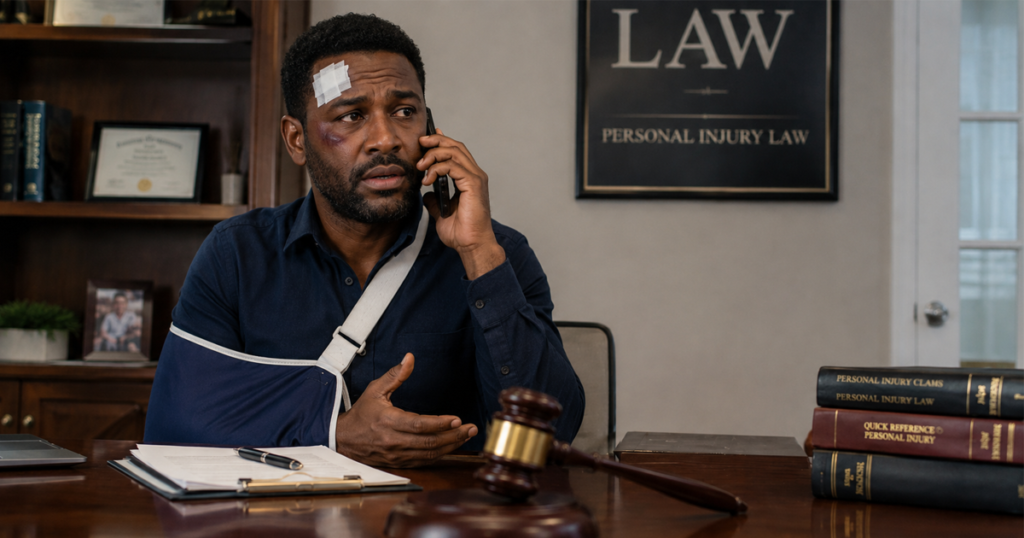
After an accident, many people wonder whether hiring a lawyer is necessary. While some minor claims can be resolved without legal assistance, serious injuries, disputed liability, and insurance challenges often make legal representation valuable. A personal injury lawyer can help protect your rights, gather evidence, and pursue fair compensation.
Understanding when legal assistance may be beneficial can help you make informed decisions about your case. In many situations, speaking with a Houston personal injury attorney may provide clarity about your legal options.
Common Types of Personal Injury Cases in Texas
Personal injury cases arise when someone suffers harm due to another party’s negligence, recklessness, or wrongful conduct. Texas personal injury laws allow injured individuals to seek compensation for medical expenses, lost income, pain and suffering, and other accident-related damages. In many situations, consulting a personal injury lawyer near me may help accident victims understand their legal rights, evaluate potential claims, and pursue fair compensation for their losses.
- Car accidents: Motor vehicle accidents are among the most common personal injury claims in Texas. Victims may pursue compensation when another driver’s negligence causes injuries, property damage, or financial losses.
- Truck accidents: Collisions involving commercial trucks often result in severe injuries due to the size and weight of the vehicles. These cases may involve trucking companies, drivers, maintenance providers, and multiple insurance policies.
- Motorcycle accidents: Motorcyclists have limited protection during crashes, making serious injuries more likely. Claims often involve disputes regarding visibility, right-of-way, and driver negligence.
- Pedestrian accidents: Pedestrians struck by vehicles frequently suffer significant injuries. These cases commonly involve distracted driving, speeding, failure to yield, or traffic signal violations.
- Bicycle accidents: Cyclists may be injured when drivers fail to share the road safely or violate traffic laws. Compensation may be available for medical costs, lost wages, and bicycle damage.
- Slip and fall accidents: Property owners may be held responsible when hazardous conditions, such as wet floors, uneven surfaces, or poor maintenance, cause injuries on their premises.
- Workplace accidents: While workers’ compensation may apply in some situations, injured workers may also have claims against third parties whose negligence contributed to the accident.
- Dog bite injuries: Animal owners may be liable when dangerous dogs cause injuries to visitors, pedestrians, or other individuals. These claims often involve medical treatment and scarring damages.
- Construction accidents: Construction sites contain numerous hazards that may lead to falls, equipment injuries, electrocution, or other serious accidents. Multiple parties may share liability in these cases.
- Wrongful death claims: When negligence causes a fatal accident, surviving family members may pursue compensation for funeral expenses, lost financial support, and other damages permitted under Texas law.
When Can You Handle a Personal Injury Claim on Your Own?
Not every personal injury claim requires legal representation. In some situations, individuals may be able to handle the claims process themselves, particularly when injuries are minor, liability is clear, and the insurance company cooperates throughout the process.
- Minor injuries with full recovery: If the accident caused only minor injuries that required limited medical treatment and resulted in a complete recovery, handling the claim independently may be more manageable.
- Clear liability: When there is no dispute about who caused the accident and the at-fault party’s insurance company accepts responsibility, the claims process is often less complicated.
- Limited medical expenses: Claims involving relatively low medical costs and minimal financial losses may not require extensive legal involvement or complex damage calculations.
- Property damage only claims: If the accident resulted only in vehicle or property damage without any physical injuries, many claimants can work directly with the insurance company to resolve the matter.
- Cooperative insurance company: Some claims proceed smoothly when insurers respond promptly, communicate clearly, and offer fair compensation without unnecessary disputes.
- No long-term injuries or disabilities: When injuries do not require ongoing treatment, rehabilitation, future surgeries, or long-term care, calculating damages is generally more straightforward.
- No dispute over compensation: If both parties agree on the value of medical expenses, repair costs, and other damages, settlement negotiations may be resolved without legal assistance.
- Simple accident circumstances: Claims involving a single accident, limited damages, and straightforward evidence are often easier to handle without attorney involvement.
Even in seemingly simple cases, it is important to carefully review any settlement offer before accepting it. If injuries worsen, liability becomes disputed, or the insurance company delays or undervalues the claim, consulting a personal injury lawyer may help protect your rights and financial recovery.
Situations When You Should Absolutely Hire a Personal Injury Attorney
Not every accident requires legal representation, but certain situations can make the claims process much more complicated. When injuries are serious, liability is disputed, or insurance companies are uncooperative, a personal injury lawyer may help protect your rights and pursue fair compensation.
Serious Injuries
Accidents that result in significant injuries often involve substantial medical expenses, ongoing treatment, and extended recovery periods. Insurance companies may closely scrutinize these claims because of their higher value. A lawyer can help document medical damages and calculate the full impact of the injury. Legal representation may also help ensure future medical needs are considered during settlement negotiations.
Permanent Disabilities
Some accidents leave victims with long-term or permanent physical limitations that affect their ability to work and perform daily activities. These cases often require compensation for future medical care, rehabilitation, and lost earning capacity. A lawyer can work with medical and financial experts to estimate long-term damages. Proper evaluation helps prevent victims from accepting settlements that fail to cover future expenses.
Disputed Liability
When the parties involved disagree about who caused the accident, proving fault becomes more challenging. Insurance companies may delay payments or attempt to shift responsibility to reduce compensation. A lawyer can gather evidence such as witness statements, accident reports, and surveillance footage to strengthen the case. Establishing liability is often a critical factor in recovering damages.
Insurance Claim Denials
Insurance companies sometimes deny claims due to coverage disputes, insufficient evidence, or disagreements about fault. A denied claim does not always mean compensation is unavailable. An attorney can review the denial, identify weaknesses in the insurer’s reasoning, and challenge unfair decisions. Legal assistance may improve the chances of obtaining benefits that were initially refused.
Low Settlement Offers
Insurance companies may offer settlements that do not fully cover medical bills, lost income, property damage, or future expenses. Accepting a low offer too quickly may leave accident victims responsible for costs that arise later. A lawyer can evaluate whether a settlement is fair based on the actual value of the claim. Skilled negotiation often results in better compensation outcomes.
Wrongful Death Cases
When an accident results in the loss of a loved one, surviving family members may have the right to pursue compensation. Wrongful death claims often involve complex legal procedures and significant financial damages. A lawyer can help families understand their rights and navigate the legal process during a difficult time. Compensation may include funeral costs, lost financial support, and other related losses.
Multiple Parties Involved
Accidents involving several drivers, businesses, or insurance companies can create complicated liability issues. Determining who is responsible and how damages should be divided often requires a detailed investigation. A lawyer can coordinate evidence collection and manage communications with multiple parties. This helps protect the claimant from being unfairly blamed or undercompensated.
Complex Insurance Issues
Some claims involve policy exclusions, coverage disputes, uninsured drivers, or multiple insurance policies. These situations can be difficult to navigate without legal knowledge. A personal injury lawyer can interpret policy language, explain available coverage, and handle negotiations with insurers. Legal guidance may help prevent delays and improve the overall claims process.
After reviewing the circumstances of an accident, a personal injury lawyer can help determine the most effective strategy for pursuing compensation. Early legal guidance may also help preserve evidence, avoid costly mistakes, and strengthen the overall claim.
How a Personal Injury Lawyer Can Help Maximize Compensation
Hiring a personal injury lawyer may improve your ability to recover fair compensation after an accident. Legal representation can also help reduce stress by managing complex insurance and legal matters on your behalf.
- Case evaluation: A lawyer reviews accident reports, medical records, witness statements, and other evidence to assess the strength of your claim. This helps identify potential challenges and determine the best legal strategy moving forward.
- Evidence collection: Attorneys gather important evidence such as surveillance footage, police reports, expert opinions, and medical documentation. Strong evidence can play a critical role in proving liability and supporting compensation claims.
- Insurance negotiations: Insurance companies often try to minimize payouts or settle claims quickly for less than their true value. A lawyer negotiates directly with insurers to help ensure your damages are properly recognized and compensated.
- Accurate damage calculation: Personal injury claims may include medical expenses, lost wages, future treatment costs, rehabilitation expenses, and pain and suffering. A lawyer helps calculate the full value of these losses to avoid undervaluing the claim.
- Protection from insurance tactics: Insurance adjusters may request recorded statements or use information against claimants during the investigation. Legal representation helps protect your rights and prevents mistakes that could weaken your case.
- Handling legal paperwork: Personal injury claims often involve extensive documentation, deadlines, and legal requirements. A lawyer ensures all paperwork is completed accurately and submitted on time to avoid unnecessary delays.
- Proving liability: When fault is disputed, attorneys investigate the accident and gather evidence to establish responsibility. This may include analyzing crash reports, interviewing witnesses, and consulting experts when necessary.
- Access to professional resources: Lawyers often work with accident reconstruction specialists, medical professionals, and financial experts who can provide valuable support for complex claims and serious injuries.
- Court representation: If a fair settlement cannot be reached, a lawyer can represent you during litigation and court proceedings. Having legal representation may strengthen your position throughout the legal process.
- Improved settlement opportunities: Studies often show that injured individuals with legal representation recover higher compensation than those handling claims alone. A lawyer’s experience and negotiation skills can significantly impact the final outcome of a case.
Get Legal Help for Your Texas Personal Injury Claim
Personal injury cases often involve medical expenses, lost income, insurance disputes, and complex legal procedures. Understanding your rights and the value of your claim can make a significant difference in your financial recovery.
Legal guidance may help ensure important evidence is preserved and compensation is properly pursued. The law office of Michael Bates may assist individuals dealing with personal injury claims, settlement negotiations, and legal proceedings throughout Texas.