
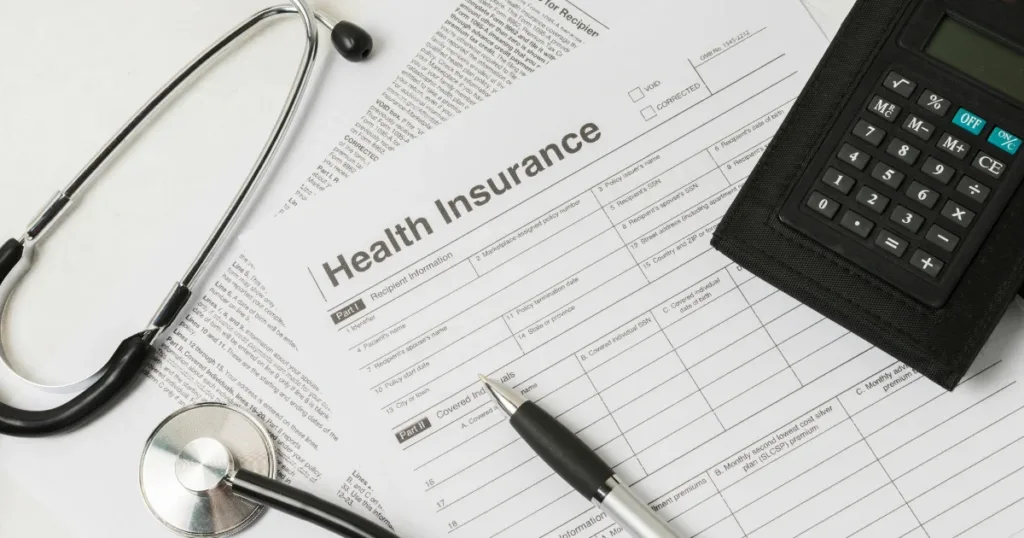
A car accident can leave you facing medical bills, vehicle damage, lost income, and other unexpected expenses. If you have health insurance, you may wonder whether it will cover treatment costs after a crash and how that coverage affects your legal claim.
Health insurance may help pay eligible medical expenses after a car accident, depending on your policy and the circumstances of the crash. If another driver was responsible, you may also have the right to seek compensation from the at-fault party. A car accident lawyer Houston can help you understand how insurance coverage and a personal injury claim may apply to your situation.
Who Pays for Medical Bills After a Car Accident in Texas?
After a car accident in Texas, the at-fault driver’s liability insurance may cover your medical expenses if you can establish that the driver caused the crash. However, you generally must file a claim and provide evidence supporting fault and your damages before the insurer will pay.
Medical providers may still expect payment while an insurance claim or personal injury case is pending. Depending on your circumstances, available sources of coverage may include:
- Personal Injury Protection (PIP) or Medical Payments (MedPay): If your auto policy includes this coverage, it may help pay certain medical expenses after a crash, subject to the policy terms.
- Uninsured/Underinsured Motorist (UM/UIM) Coverage: This coverage may apply if the at-fault driver has no insurance or insufficient coverage for your losses, depending on your policy and the circumstances.
- Health Insurance: Your health insurance may help cover eligible medical treatment, although your insurer may have rights to seek reimbursement from a settlement or other recovery.
A car accident lawyer near me can review the available insurance coverage, explain your options, and help pursue compensation for accident-related losses.
Can Health Insurance Deny Coverage After a Car Accident?
Health insurance may deny or delay coverage for medical treatment after a car accident, but the accident itself does not automatically exclude your care from coverage. The reason may depend on your health plan, the treatment received, or other available insurance.
In Texas, you generally have the right to appeal certain health plan decisions that deny covered treatment or services. Your insurer should provide information explaining the denial and how to challenge it through the plan’s appeal process.
If your health insurance denies accident-related medical expenses, review the reason for the denial and your available insurance coverage. The insurance claim timeline may vary depending on the insurer, the reason for the denial, and whether you need to appeal the decision.
Do I Have to Refund My Health Insurer When My Car Accident Case Settles?
You may have to reimburse your health insurer for certain medical expenses it paid after a car accident if you later receive compensation from the at-fault party. Whether repayment is required depends on your health plan, applicable law, and any reimbursement or subrogation rights the insurer has.
In Texas, health insurers may have contractual or legal rights to seek reimbursement from a settlement in some circumstances. Before accepting a settlement, review any health insurance reimbursement claim or lien and determine the amount that may need to be paid back.
What If I Don’t Have Insurance to Cover My Injury Expenses?
If you do not have health insurance or other coverage to pay your accident-related medical bills, you may still have options for receiving necessary treatment. Reviewing your available coverage and documenting your medical expenses can help you maximize insurance claim recovery while your personal injury case is pending.
Some medical providers may agree to treat you under a letter of protection, which can allow payment to be deferred until your personal injury claim is resolved. An attorney can also review whether you have access to other sources of coverage and help address outstanding medical bills as your case progresses.
What Is PIP Coverage and How Does It Work in Texas?
Texas PIP Coverage Requirements
Personal injury protection (PIP) can help pay certain medical expenses and other losses after a car accident regardless of who caused the crash. Under Texas Insurance Code Section 1952.152, auto insurers must offer PIP coverage, but a policyholder can reject the coverage in writing.
What Does PIP Cover in Texas?
Texas PIP coverage may help pay for reasonable accident-related medical expenses and can also provide benefits for lost income or essential household services, subject to the policy limits. Texas insurers generally must provide at least $2,500 per person in PIP coverage unless it is rejected in writing.
PIP can be particularly important when you need medical care before your liability claim is resolved because benefits do not depend on proving that another driver was at fault. Your policy determines the specific coverage and limits available.
What Is MedPay and How Is It Different From PIP?
Medical Payments Coverage in Texas
Medical payments coverage, commonly called MedPay, can help pay accident-related medical expenses regardless of who caused the crash. Unlike PIP, MedPay generally focuses on medical and related expenses and does not provide benefits for lost wages.
PIP vs. MedPay
The main difference is the scope of coverage. PIP may cover medical expenses, lost income, and certain essential services, while MedPay generally covers eligible medical expenses only. MedPay is not required to be offered by Texas auto insurers, so whether you have it depends on your policy.
If you do not have health insurance, PIP or MedPay may provide an important source of payment for accident-related treatment. Reviewing your auto policy can help determine whether either coverage is available and what limits or requirements apply.
Which Insurance Pays First After a Texas Car Accident?
After a Texas car accident, figuring out which insurance should cover your medical bills can be confusing, especially when you are already dealing with injuries and unexpected expenses. The accident insurance impact can depend on the insurance policies available, the type of coverage, and the circumstances of the crash.
- Your PIP Coverage: If your auto policy includes personal injury protection, it can generally help pay eligible accident-related medical expenses regardless of who caused the crash, subject to your policy limits.
- Your Health Insurance: Your health insurance may cover eligible medical treatment according to your plan’s terms. Depending on the circumstances, your health insurer may have reimbursement or subrogation rights if you later recover compensation.
- The At-Fault Driver’s Liability Insurance: The at-fault driver’s liability coverage may ultimately be used to seek compensation for medical bills and other damages. However, you generally must establish liability and resolve the claim before receiving a settlement or payment.
- Your UM/UIM Coverage: If the at-fault driver has no insurance or insufficient coverage, your uninsured/underinsured motorist coverage may provide another potential source of compensation, depending on your policy and the circumstances of the accident.
How The Law Office of Michael Bates Can Help
After a car accident in Texas, medical bills can begin piling up before you know which insurance coverage applies or who is responsible for your losses. The Law Office of Michael Bates can help you navigate the insurance process, address medical expenses, and pursue compensation by:
- Reviewing Your Health Insurance: Examining your policy to determine how your accident-related medical treatment may be covered.
- Evaluating Your Auto Insurance: Reviewing available PIP, MedPay, and UM/UIM coverage and explaining how these benefits may apply.
- Communicating With Insurers: Handling insurance communications and helping protect you from statements that could negatively affect your claim.
- Investigating Liability Coverage: Determining whether the at-fault driver’s liability insurance may be available to compensate you for your medical expenses and other losses.
- Addressing Medical Bills: Communicating with medical providers about outstanding charges and potential payment arrangements while your claim is pending.
- Reviewing Reimbursement Claims: Examining demands from health insurers seeking repayment from a settlement or other recovery.
- Coordinating Medical Treatment: Exploring arrangements that may allow you to receive necessary treatment without paying the full cost upfront.
- Organizing Medical Records: Gathering medical records, bills, and other documentation needed to support your insurance claim and damages.
- Pursuing Compensation: Building a personal injury claim seeking compensation for medical expenses and other damages resulting from the accident.
A personal injury lawyer Houston can also help you evaluate your legal options and protect your interests throughout the claims process.
Get Help With Your Car Accident Claim
Health insurance may help cover eligible medical treatment after a car accident, but questions about PIP, MedPay, liability insurance, and reimbursement can make the process difficult. Your ability to recover medical expenses and other damages may also depend on fault, insurance coverage, and the circumstances of the crash.
If you were injured in a car accident in Houston or elsewhere in Texas, a car accident attorney can help you understand your insurance options and legal rights. The Law Office of Michael Bates can review your case, address insurance issues, and help pursue compensation for your accident-related losses. Call (832) 346-2311 to discuss your potential personal injury claim.
