
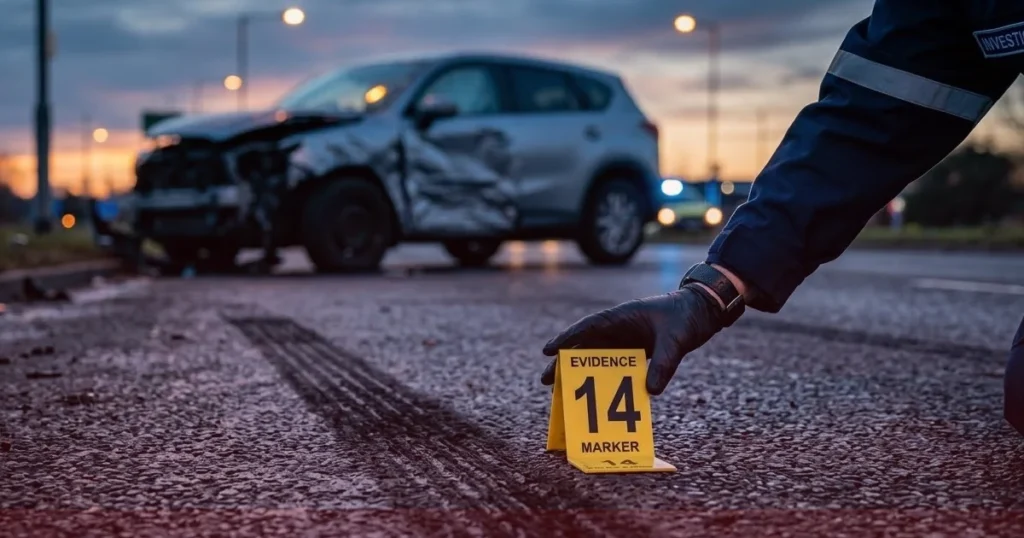
Fatal car accidents are devastating, often leaving families reeling from sudden loss. In Houston, Texas, investigating these crashes is meticulous and requires skilled professionals to reconstruct events, determine fault, and assess the cause of the accident. Understanding the legal and investigative process is critical for victims’ families, especially when pursuing wrongful death claims or seeking compensation. Consulting a Houston car accident lawyer early can ensure your rights are protected, deadlines are met, and all damages are fully pursued.
Fatal Car Accident Investigation Process
When a fatal crash occurs in Houston, first responders, police, and emergency medical teams secure the scene, attend to injured victims, and block roads to prevent additional accidents. Law enforcement officers then begin their investigation, documenting evidence and collecting statements. The integrity of the scene is critical, as mishandling evidence can affect both civil and criminal cases. Texas law, including Tex. Transp. Code §550.021 requires drivers involved in fatal crashes to provide statements and allows police to document the accident for legal purposes.
Police Reports
Police reports play a critical role in fatal accident investigations by documenting vehicle positions, debris, skid marks, and environmental conditions. These reports often become key evidence in civil claims and insurance disputes. Families pursuing wrongful death damages may rely on these records under Tex. Civ. Prac. & Rem. Code §71.004.
Evidence Collection
Investigators collect evidence such as vehicle damage, photographs, road debris, and witness statements to understand how the crash occurred. This information helps reconstruct the timeline and identify negligent behavior. Attorneys use this evidence to support claims under Tex. Civ. Prac. & Rem. Code §33.001, which governs comparative fault in Texas.
Accident Reconstruction
Accident reconstruction experts analyze crash scenes using mapping software, vehicle damage analysis, and physics-based calculations. They determine factors such as speed, direction, and impact angles. Their findings can provide strong evidence when fault or negligence is disputed.
Vehicle Inspections
Vehicle inspections help determine whether mechanical failures contributed to the accident. Investigators examine brakes, tires, and other safety systems for defects. Many vehicles also contain Event Data Recorders (EDRs) that store information about speed, braking, and airbag deployment before the crash.
Witness and Forensic Evidence
Witness statements help investigators understand driver behavior, traffic signals, and road conditions before the crash. Forensic experts also analyze autopsy reports and toxicology results to determine the cause of death. These findings may support both civil claims and criminal charges when impairment or negligence is involved.
Common Causes of Fatal Accidents
Texas follows an at-fault system, meaning the driver responsible for causing a crash can be held legally liable for damages. Fatal accidents in Houston often result from negligent or reckless driving behaviors that violate traffic laws and significantly increase the risk of severe collisions. Common causes of fatal accidents include:
- Distracted driving: Activities such as texting, talking on a phone, adjusting navigation systems, or eating while driving can take a driver’s attention off the road and delay reaction time. Even a few seconds of distraction can lead to a catastrophic crash.
- Reckless driving: Behaviors like excessive speeding, aggressive lane changes, tailgating, and road rage increase the likelihood of losing control of a vehicle or colliding with other motorists.
- Driving under the influence (DUI): Alcohol or drugs impair judgment, coordination, and reaction time, making it difficult for drivers to safely operate a vehicle and respond to sudden traffic conditions.
- Failure to yield: Ignoring traffic signals, running stop signs, or failing to yield the right of way at intersections can lead to high-impact collisions that often result in serious or fatal injuries.
A lawyer investigates these behaviors alongside Texas traffic laws and crash scene evidence to determine liability and support legal claims for damages.
Legal Steps After a Car Accident
After a fault is determined in a fatal crash, families in Texas can pursue legal action to recover damages. Prompt action is critical because the statute of limitations for wrongful death claims is two years under Tex. Civ. Prac. & Rem. Code §16.003. Criminal charges may also apply if DUI or reckless behavior contributed to the accident. Key recoverable damages include:
- Medical expenses before death: Costs for emergency care, hospitalization, and treatments leading up to the victim’s passing.
- Funeral and burial costs: Reasonable expenses for funeral services, burial, or cremation.
- Loss of financial support: Compensation for the income and benefits the deceased would have provided to dependents.
- Emotional suffering and loss of companionship: Damages for grief, mental anguish, and the loss of love or guidance.
Taking immediate legal steps ensures families preserve evidence, meet deadlines, and maximize compensation under Texas law.
How a Houston Car Accident Lawyer Can Help
Experienced Houston personal injury attorney guides families through complex fatal accident investigations, preserves critical evidence, and builds cases that insurers cannot undervalue. Legal counsel focuses on maximizing recovery for all financial and non-financial damages while protecting the family’s rights throughout the process. Key ways a lawyer can help:
- Preserve Evidence: Collect police reports, accident scene photos, vehicle inspections, and witness statements to support the claim.
- Investigate Thoroughly: Work with accident reconstruction experts, forensic specialists, and medical examiners to determine cause and liability.
- Ensure Statutory Compliance: Navigate Texas laws and deadlines to protect the family’s right to compensation.
- Negotiate or Litigate: Advocate for full financial and non-financial damages, challenging lowball offers and disputing insurer tactics.
This approach ensures families have strong legal representation from start to finish, protecting both immediate and future interests.
Building a Strong Car Accident Case
Building a strong car accident case requires careful preparation, thorough documentation, and strategic legal action to ensure insurers fully recognize the extent of damages. Attorneys focus on preserving evidence, challenging undervalued claims, and preparing the case for maximum leverage.
- Evidence Preservation: Collect police reports, Event Data Recorder (EDR) information, medical records, and witness statements to establish liability and support damages.
- Challenging Insurers: Counter tactics that minimize claims, dispute lowball offers, and enforce fair compensation for the injured or surviving family members.
- Documenting Damages: Include all economic losses, such as medical bills and lost wages, along with non-economic damages like pain, suffering, and loss of companionship.
- Trial-Ready Preparation: Prepare the case as if it will go to trial, creating leverage that often results in higher settlements or favorable resolutions.
Protect Your Rights
Investigating fatal car accidents requires coordination between law enforcement, forensic experts, and accident reconstruction specialists. Families affected by these tragedies need skilled legal representation to navigate Texas statutes, collect evidence, and secure fair compensation. Consulting The Law Office of Michael Bates early ensures your legal rights are protected, deadlines are met, and the responsible parties are held accountable.