
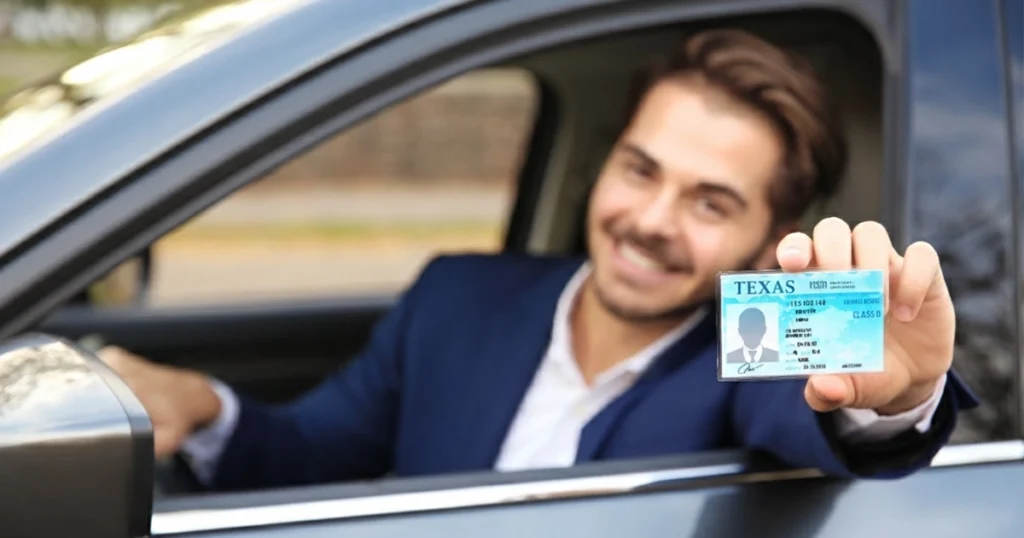
Obtaining a driver’s license is a significant milestone, offering the freedom to drive independently. In Texas, the age at which you can get your driver’s license depends on several factors, including whether you are a new driver or have previously held a learner’s permit. Understanding the rules and requirements is crucial to ensure a smooth process and avoid potential legal issues related to driving.
Even after getting your license, it’s important to stay aware of your driving record and responsibilities. If you are involved in a car accident or face traffic violations, consulting a car accident lawyer Houston can help you navigate claims, protect your rights, and understand how incidents may impact your driving history.
Minimum Age Requirements
The Texas Department of Public Safety (DPS) has clear guidelines regarding the minimum age to get a driver’s license. Below is a breakdown of the key age milestones:
1. How to Get a Learner’s Permit (Class C)
In Texas, the first step to getting a driver’s license is usually obtaining a learner’s permit (also known as a Provisional Driver License). Here are the key points about the learner’s permit:
- Minimum Age: You can get your learner’s permit at 15 years old if you meet the requirements (Texas Transportation Code § 521.022)
- Requirements:
- Proof of Identity: You must provide documents such as your birth certificate or passport.
- Proof of Residency: A utility bill or other document showing your Texas address.
- Driver Education Course: Completion of a Texas Driver Education course (Texas Transportation Code § 521.201)
- Parental Consent: If you’re under 18, your parent or guardian must sign a consent form.
- Proof of Identity: You must provide documents such as your birth certificate or passport.
With a learner’s permit, you are allowed to drive with a licensed driver who is at least 21 years old and sitting in the front seat.
2. How to Get Unrestricted Driver’s License (Class C)
After holding a learner’s permit, you can move on to getting your full, unrestricted driver’s license. The process depends on the age at which you apply:
- Minimum Age: You can obtain a full driver’s license at 18 years old (Texas Transportation Code § 521.123) without any additional requirements, other than a valid learner’s permit if applicable. However, most people go through a phased process starting from 16.
- Requirements for Drivers Under 18:
- Hold Your Learner’s Permit for 6 Months: You must hold your learner’s permit for at least 6 months (Texas Transportation Code § 521.141) before you can apply for a provisional driver’s license (Class C).
- Completion of Driver Education: You must complete a Texas Driver Education Course that includes both classroom instruction and behind-the-wheel training.
- Pass a Driving Test: You must pass a driving skills test to demonstrate that you can operate a vehicle safely.
- Parental Consent: If you’re under 18, you must have parental consent to apply for the license.
- Traffic Violations: If you’ve received any traffic violations, it may delay or prevent your ability to get your license.
- Hold Your Learner’s Permit for 6 Months: You must hold your learner’s permit for at least 6 months (Texas Transportation Code § 521.141) before you can apply for a provisional driver’s license (Class C).
3. Driver’s License for Under 18: The GDL System
Texas uses the Graduated Driver License (GDL) system for drivers under 18. This system is designed to gradually give young drivers more driving privileges as they gain experience. The key stages of the GDL system are:
- Stage 1: Learner’s Permit (at age 15): This permit allows you to drive with a licensed adult driver.
- Stage 2: Provisional Driver License (at age 16): After holding a learner’s permit for at least 6 months, you can apply for a provisional driver’s license. The provisional license comes with certain restrictions:
- Passenger Restrictions: No more than one passenger under 21, unless they are family members.
- Curfew: Driving between midnight and 5 a.m. is not allowed unless you are with a licensed adult or driving to/from work or school.
- Cell Phone Restrictions: You are prohibited from using a cell phone while driving, except in emergencies.
- Passenger Restrictions: No more than one passenger under 21, unless they are family members.
- Stage 3: Full, Unrestricted Driver’s License (at age 18): Once you turn 18, your driver’s license will be fully unrestricted. You no longer need to abide by the GDL restrictions, such as passenger and curfew limits.
4. Alternative Licensing for Drivers 18 and Older
If you are 18 or older, you can bypass the GDL system and apply directly for a full, unrestricted driver’s license. While there are no restrictions on passengers or curfews, you will still need to meet the following requirements:
- Pass the Written Test: You must pass the written knowledge test on Texas traffic laws, road signs, and rules of the road.
- Pass the Driving Skills Test: You must demonstrate your driving skills in a road test.
- Provide Necessary Documents: As with younger drivers, you’ll need to provide proof of identity, residency, and Social Security number.
Can You Get a Driver’s License at 16?
In Texas, underage drivers can begin the process as early as 15 years old with a learner’s permit. However, you cannot obtain a full, unrestricted driver’s license until you are 18. The law allows for a provisional license at 16, with certain restrictions in place until you reach 18.
How to Prepare for Your Driver’s License
- Complete Driver Education: Whether you’re 15 or 18, completing a driver education program is essential. This includes both classroom instruction and behind-the-wheel practice.
- Keep Your Record Clean: Avoid traffic violations or accidents during the learner’s permit phase, as this can delay your ability to get your full license.
- Practice Safe Driving: Make sure you log plenty of driving hours with a licensed adult to gain confidence and experience before taking the driving test.
When to Contact an Attorney
While obtaining a driver’s license is a straightforward process for most, there are certain circumstances when you may need to contact a Houston personal injury attorney:
- Traffic Violations or Accidents: If you have a traffic violation or have been involved in an accident while holding a learner’s permit, a lawyer can help you navigate the legal process and prevent delays in obtaining your license.
- License Suspension or Revocation: If your driver’s license is suspended or revoked, whether due to a traffic violation or other legal reasons, an experienced traffic attorney can assist in appealing the suspension and help you get your driving privileges reinstated.
- Disputing Errors on Your Record: If your driving record contains errors that could delay your ability to obtain a driver’s license, a lawyer can help you dispute and correct those inaccuracies.
- Underage Driving Charges: If you are underage and have been cited for driving without a license or underage driving violations, a lawyer can represent you and work to minimize penalties.
Get Your License with Confidence
In Texas, you can start driving with a learner’s permit at 15 and work toward a full, unrestricted license at 18 through the Graduated Driver License (GDL) system. Following DPS guidelines ensures you gain the necessary experience and meet all requirements for a smooth licensing process.
If you’re preparing to get your license, have questions about traffic rules, or need help after an accident, The Law Office of Michael Bates, including an auto accident lawyer in Houston, TX, can provide expert guidance to protect your driving record and your rights. Start early, follow the steps, and gain the confidence to enjoy the freedom of the open road safely.